
Our services
Medical Surveillance
CHRA-based health surveillance for employees exposed to chemicals hazardous to health, carried out with Occupational Health Doctor (OHD) involvement.
Overview
Medical surveillance is the planned health monitoring of employees exposed to workplace hazards. It helps detect early health effects, confirms whether exposure controls are working, and supports decisions on an individual employee’s fitness to continue in their role. Our programmes are built around the findings of your Chemical Health Risk Assessment (CHRA), so that the right employees receive the right examinations and tests.
Regulatory context
Under the Occupational Safety and Health (Use and Standard of Exposure of Chemicals Hazardous to Health) Regulations 2000 (USECHH), employers assess chemical health risks through a CHRA. Where the CHRA recommends medical surveillance, or where employees are exposed to chemicals listed in the regulations, medical surveillance is to be carried out by an Occupational Health Doctor (OHD) registered with the Department of Occupational Safety and Health (DOSH).
General information only, not legal advice. Please confirm the specific obligations that apply to your workplace.
Who needs this service
- Employers whose CHRA report recommends medical surveillance
- Workplaces where employees are exposed to chemicals hazardous to health listed under USECHH
- HSE teams planning baseline, periodic or exit examinations for exposed employees
- Organisations reviewing whether existing exposure controls are protecting employees’ health
Scope of service
- Review of your CHRA report, chemical register and job roles to define who requires surveillance
- Programme planning: examinations, biological monitoring and tests appropriate to each chemical exposure
- Baseline (pre-placement), periodic and exit medical examinations
- Collection of biological samples for laboratory analysis where indicated
- Review and interpretation of results by an Occupational Health Doctor (OHD)
- Fitness recommendations and summary reporting to the employer, with individual medical details kept confidential
- Recommendations for follow-up, including review of exposure controls where results suggest a concern
The exact scope, schedule and reporting are confirmed with you during the quotation process.
Typical process
- 01
Review
We review your CHRA findings, chemicals in use and the employees exposed.
- 02
Plan
We agree the examinations, tests, schedule and site logistics with your HSE and HR teams.
- 03
Examine
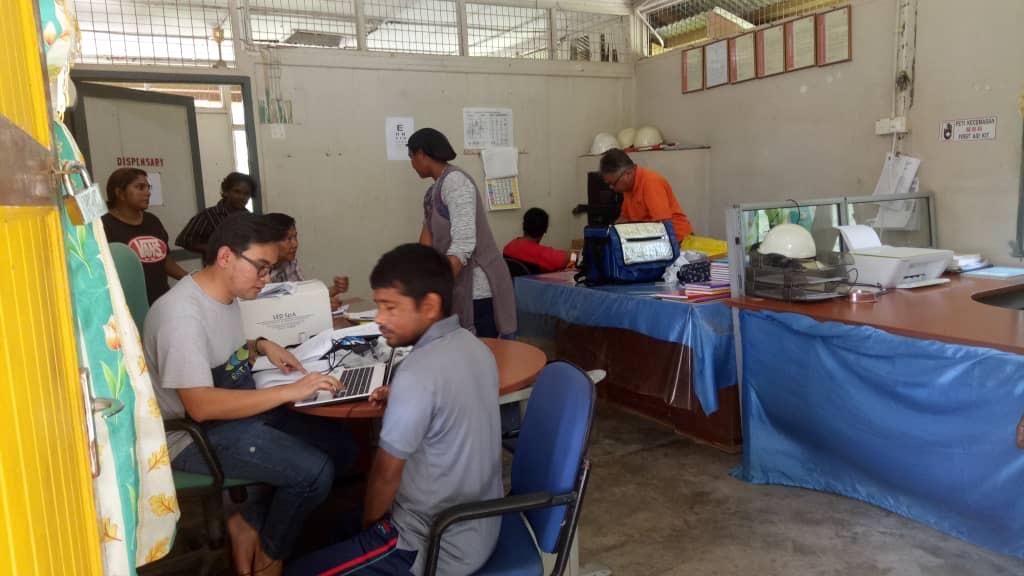
Examinations and sample collection are carried out, on site where practical.
- 04
OHD review
The OHD reviews results and determines each employee’s fitness and any follow-up.
- 05
Report
You receive a summary report and recommendations; employees receive their own results.
Benefits for employers
Early detection
Identifies early health effects before they progress, so action can be taken sooner.
Supports your duties
Helps you act on CHRA recommendations and meet employer duties under USECHH.
Better control decisions
Surveillance findings help show whether exposure controls are working.
Organised records
Structured reporting supports your occupational health record keeping.
From our work
View project gallery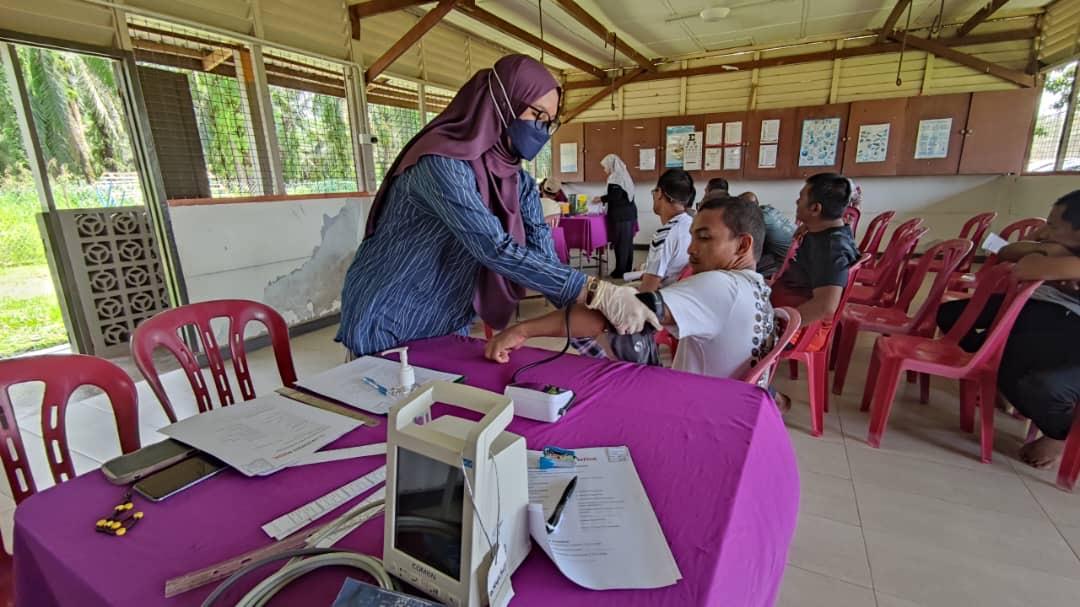
Relevant industries
All industriesManufacturing
Chemical handling in production, processing and maintenance.
Plantation
Exposure to agrochemicals such as pesticides and herbicides.
Oil & Gas
Exposure to hydrocarbons and process chemicals.
Employee health information is handled confidentially. Employers receive fitness outcomes and summary information relevant to work; individual clinical details remain with the employee.
Discuss your medical surveillance requirements
Tell us about your workforce, sites and requirements, and we’ll prepare a quotation scoped to your needs.